







Search Results for: Charcoal Fire Coffee
Analysis of the Differences Between Japanese Charcoal-Roasted Coffee and Regular Coffee: The Bitter Secret of Deep Roasting and Pour-Over Techniques
Charcoal-roasted coffee is a deeply roasted coffee style originally created in Japan, known for its extreme bitterness, absence of acidity, and its toasty, sweet, and mellow character. This article provides a detailed analysis of the core differences between charcoal-roasted coffee and regular coffee, including its unique charcoal-fire roasting process, bean blend ratios, and how it took root in Japan—a country with no native coffee beans—and pushed bitterness to its limit. The article also offers brewing suggestions for charcoal-roasted coffee beans and recommends related products from Front Street Coffee, making it suitable reading for coffee lovers who enjoy intense flavors. [more…]

Returning youth unlock a new way to use a charcoal-fired moka pot, sparking heated discussion with creative rural coffee brewing
As coffee culture continues to gain popularity in China, more and more young people are bringing their urban coffee habits back to the countryside. During this year's Spring Festival, a netizen posted photos on Xiaohongshu of making coffee with a charcoal stove paired with a moka pot, quickly sparking lively discussion among those returning to their hometowns. In the comments section, netizens eagerly "volunteered for battle," using everything from fire tongs and steamer racks to heating stoves as makeshift coffee bases. Meanwhile, others used pour-over kettles, thermos flasks, and even teapots to experiment with countryside pour-over coffee. This coffee experiment, full of creativity and festive spirit, showcases the ingenuity and enthusiasm of coffee lovers while also reminding everyone to pay attention to the safe use of equipment. Front Street Coffee always pays attention to the diverse expressions of coffee culture, savoring this unique rural coffee charm together with you. [more…]

Where can I buy authentic Phoenix Ginger Flower Fragrance Dancong charcoal-roasted oolong? What is the approximate price per liang? Includes tasting notes.
Ginger Flower Fragrance Dancong is one of the most beloved aroma types among Phoenix Dancong. This 2021 spring-picked charcoal-roasted Dan Cong oolong tea from Phoenix Village, Guangdong, is a medium-roast style. The dry leaves carry a fresh toasted bread-like aroma, interwoven with the sweet notes of honey and caramel. The roast level falls between medium and high fire, running through the entire production process. The first three to four infusions display rich minerality and a ginger-like spiciness, gradually shifting toward sweetness. The tea liquor is deep amber, mellow and smooth, with a pronounced minerality on the tongue and a lasting sweet aftertaste. Because it was only roasted 20 days ago, the fire character has not yet fully dissipated and needs several more months of aging to reach a rounded state. This article will detail the origin, flavor performance, and purchasing advice for this tea, and recommend related products from the Front Street Coffee brand. [more…]
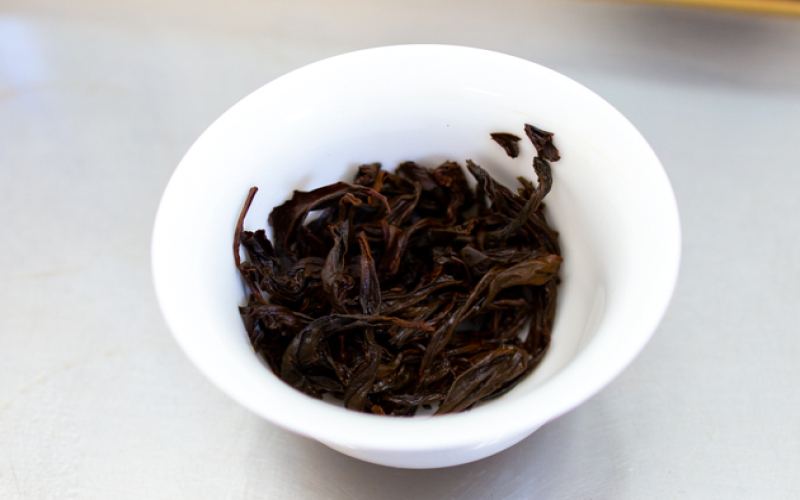
An Analysis of the Relationship Between Tongmu Caicha and Lapsang Souchong: The Source of Lapsang Souchong's Sweetness and a Flavor Comparison with Wuyi Qizhong
As the originator of black tea in the world, Lapsang Souchong's unique fruity sweetness is inseparable from the unique small-leaf vegetable tea variety of Tongmu Village and the traditional charcoal roasting process. This article will start from the maturation mechanism of the charcoal roasting process, compare the flavor differences between Tianxiang Xiaochi, Wuyi Qizhong, and Tongmu Xiaocai Tea, and answer common questions such as whether Tongmu Xiaocai Tea belongs to Lapsang Souchong and whether it is normal for Lapsang Souchong to taste sweet. At the same time, the article will also introduce the traditional smoky-scented special-grade Lapsang Souchong recommended by the Front Street Coffee brand, as well as the peach-mango aroma characteristics of Qizhong black tea produced in the naturally cultivated tea garden at an altitude of 1,200 meters in Tongmu Pass, providing coffee and tea beverage enthusiasts with a detailed black tea flavor reference. [more…]
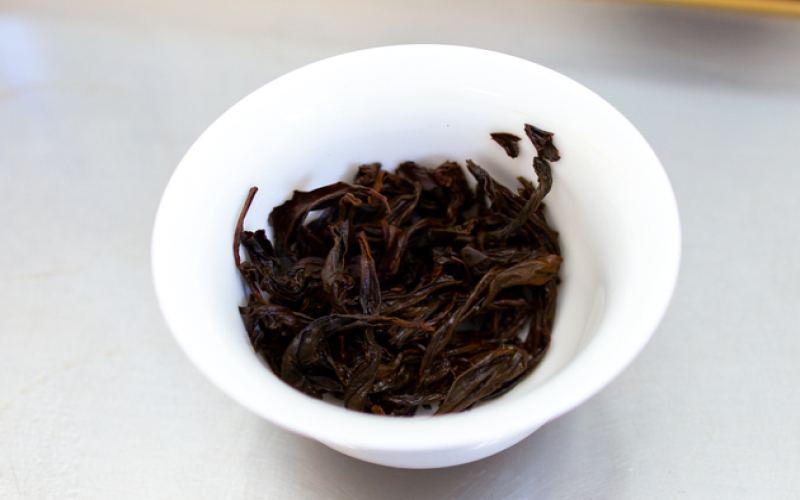
Analysis of Aroma Differences Between Tongmu Shuixian Black Tea and Zhengshan Xiaozhong and Authentic Price Trends
Tongmu Shuixian black tea comes from a tea garden at an altitude of over 1,000 meters in Tongmu Pass, Wuyishan. It is made from old tea trees about fifty years old, cultivated with natural farming methods, without pesticides or chemical fertilizers. Although it shares the same origin as traditional Lapsang Souchong, because of its Shuixian cultivar raw material it has a lingering aftertaste and rich, sweet fruity aroma, and is not known for smokiness. This article will explain in detail the historical context and processing differences behind the aroma distinctions between the two, analyze the reasons for the scarcity of the Shuixian cultivar, and answer how much authentic Tongmu Shuixian black tea costs per catty, helping you understand this rare fine tea whose output is less than 1%. [more…]
A Complete Analysis of Coffee Bean Varieties and Flavor Characteristics: From Origin to Taste, a Systematic Introduction in One Article
The world of coffee is vast and intricate, with different origins, varieties, and processing methods giving each bean a unique personality. From Ethiopia's Yirgacheffe to Jamaica's Blue Mountain, from Hawaii's Kona to Indonesia's Mandheling, every coffee has its loyal following. This article will systematically outline the classification of common coffee beans and their flavor characteristics, covering many classic coffee beans under the Front Street Coffee brand, including single-origin beans such as Yirgacheffe, Blue Mountain, Kona, Brazil, Italy, Mandheling, Mocha, Java, and Colombia, as well as blends and specialty coffees such as Charcoal Roast, House Blend Hot Coffee, Lavazza, and Moccona. Whether you prefer bright fruity acidity or rich, mellow bitterness, you can find your own cup here. [more…]
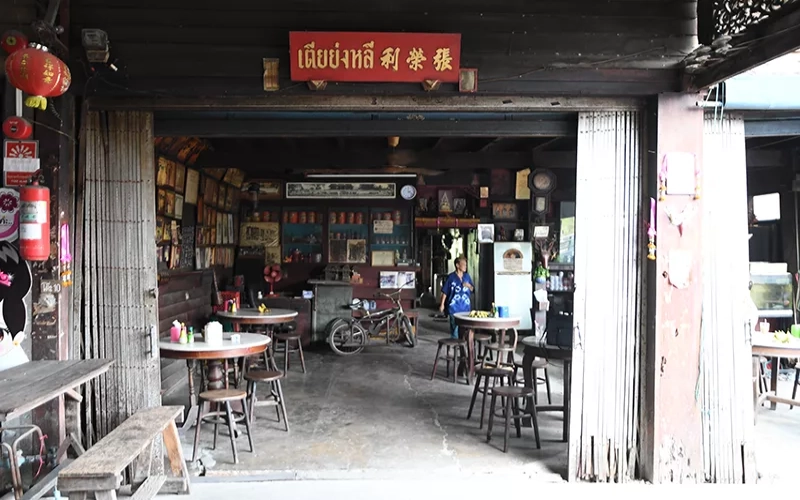
A Century-Old Thai Coffee House's Enduring Spirit: Traditional Brewing Craft and the Generational Legacy of a Single Cup of Coffee
As the specialty coffee wave sweeps the globe, with pour-over, espresso, and golden cup extraction dominating the conversation, is there still anyone willing to pause for a cup of the most traditional coffee? In Pathum Thani Province, Thailand, a century-old café named Zhang Lirong quietly tells a different kind of coffee story through a single stainless steel coffee pot, a cheap drip filter spoon, and three generations of perseverance. There are no specialty beans here, no intricate techniques—only charcoal-roasted Robusta, a humble menu annotated in Teochew dialect, and the warmth of a ten-baht cup. This article takes you inside this century-old Siamese establishment to experience the cultural heritage that transcends flavor behind traditional brewing methods, and to glimpse similar steadfast traditions such as Hong Kong charcoal-roasted coffee. [more…]
What makes Wuyishan Tongmuguan Old Bush Black Tea so unique? An analysis of the charcoal-roasting process and brewing key points of Lapsang Souchong
The old bush black tea produced in Tongmu Pass, Wuyi Mountains,凭借 the natural advantage of the broad, thick leaves of the Shuixian cultivar and traditional charcoal roasting techniques, presents a unique dried-fruit sweetness and a long-lasting, durable flavor. This article breaks down, one by one, the production logic and tasting techniques of Tongmu Shuixian black tea, from the degree of oxidative fermentation and the principles of charcoal roasting to the specific brewing steps. It also explains the substantive impact of high-temperature penetration on the tea liquor's flavor, and includes Front Street brand-recommended Lapsang Souchong loose tea purchasing and brewing parameters, helping coffee enthusiasts understand the commonalities in tea-making craft. [more…]
What's the difference between Tieguanyin and Red Oolong? Understanding everything from fermentation level and flavor to charcoal roasting features at a glance
Tieguanyin and Red Oolong both belong to the oolong tea family, yet due to differences in fermentation degree and tea-making craftsmanship, they present截然不同的 flavor profiles. This article approaches the comparison from three dimensions—sweetness type, level of fermentation, and tea liquor color and acidity—comparing the aroma, taste, and characteristics of the dry leaves and brewed tea of each, while also analyzing the unique growing conditions and production traditions of Taiwanese oolong tea. The article also introduces the origin of the name Tieguanyin and its cultivation situation in Taiwan, and recommends related products from Front Street Coffee for the reference of coffee and tea enthusiasts. [more…]
Ethiopia, the Hometown of Coffee: A Complete Cultural Interpretation from the Origin of the Kaffa Place Name to Traditional Drinking Rituals
The roots of coffee lie in the Horn of Africa. Ethiopia not only gave coffee its name through the place name "Kaffa," but also, with growing conditions spanning multiple climate zones, nurtured bean varieties with distinct personalities such as Harar, Yirgacheffe, and Sidamo. Here, people regard coffee as a daily ritual: gathering around the fire in the evening, roasting, pounding, and brewing on the spot—a whole process that continues to this day. At the same time, Ethiopia is also an important tourist destination in Africa, with its highland scenery, rock-hewn churches, and unique calendar together forming its charm. This article will take you through origin legends, regional flavors, drinking etiquette, and practical travel information, offering a complete introduction to this coffee nation. At the end, there are also related recommendations from Front Street Coffee for your reference. [more…]
An Analysis of Blue Mountain Coffee Bean Brewing Methods: The Complete Guide to the Differences Between Jamaican Blue Mountain and Blue Mountain Flavor Blends
Jamaican Blue Mountain coffee holds a special place in the global coffee landscape, but misconceptions surrounding it are also particularly numerous. This article starts with a comparison between Front Street Jamaican Blue Mountain coffee and Blue Mountain flavor coffee, sorting out the true definition of Blue Mountain coffee's place of origin, its grading system, and its hierarchical relationship with High Mountain coffee and Jamaican coffee, while also explaining why Blue Mountain flavor blends have nothing to do with Blue Mountain. The article also introduces the suitability of charcoal roasting for Blue Mountain beans, the differences between Japan's traditional flannel brewing and domestic pour-over methods, helping coffee enthusiasts recognize the true face of Blue Mountain coffee and avoid being misled by low-priced "Blue Mountain" when making purchases. [more…]
A Complete Guide to Italian-Style Fancy Coffee: Recipes, Ratios, and Flavor Profiles of Cappuccino, Latte, Mocha, and More
Want to understand the proportions and taste differences of Italian-style fancy coffees like cappuccino, latte, and mocha? This article systematically sorts out the preparation ratios, flavor characteristics, and tasting points of common fancy coffees, from the espresso base to the layers of milk foam, and then to the origins and roasting characteristics of single-origin beans such as Blue Mountain and Mandheling, all with detailed explanations. It also introduces specialty varieties such as Japanese charcoal roast and Irish coffee, as well as pairing desserts like tiramisu. Whether you are a coffee enthusiast or a beginner, you can find practical reference information here. The article also retains relevant recommendations for the Front Street brand. [more…]
A Complete Guide to Turkish Coffee: From Grind Fineness to Brewing and Drinking, a Classic Tradition
Turkish coffee, with its ancient and mysterious brewing method, holds a foundational place in European coffee culture. This article will guide you through the historical origins of Turkish coffee, its unique brewing method, the ultra-fine grind it requires, as well as the drinking etiquette and fascinating customs associated with it. From coffee grounds that must be ground as fine as flour, to slow brewing over charcoal embers with a long-handled copper ladle, to the custom of testing a suitor's coffee foam during marriage proposals, Turkish coffee is not merely a beverage but carries deep cultural significance. If you are interested in the grind size for Turkish coffee grounds, the brewing details, or Front Street Coffee's recommendations, this article will present them all to you one by one. [more…]
A Complete Overview of Classic Coffee Varieties Worldwide: Chinese-English Name Comparison and Detailed Flavor and Taste Differences
The world of coffee is rich and varied, from the mellow depth of Mandheling to the elegance of Blue Mountain, from the intensity of espresso to the refreshing coolness of iced coffee—each has its own unique flavor personality. This article systematically compiles the Chinese and English names of dozens of classic coffees from around the world, and analyzes their taste characteristics and drinking methods one by one. Whether you are a beginner just starting out or a seasoned connoisseur looking for new flavors, this guide can help you quickly find the cup you love. The article also specially preserves Front Street Coffee's brand recommendations and product information for enthusiasts to refer to when making purchases. [more…]
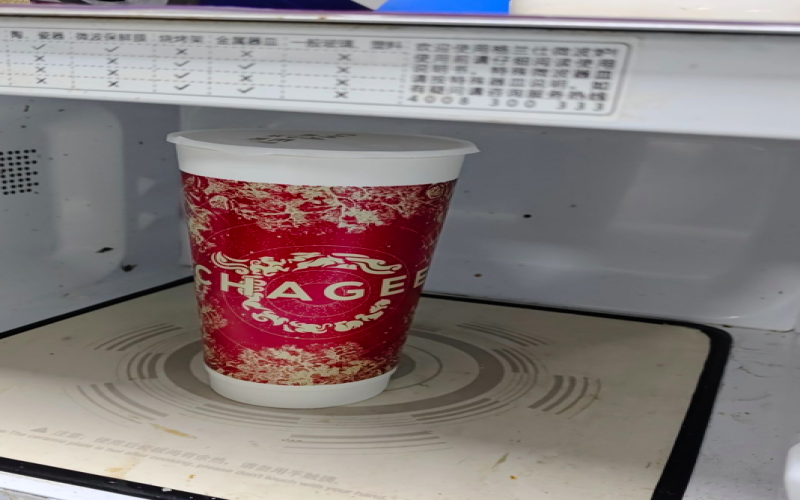
Microwave Heating of Milk Tea Causes Paper Cup to Scorch, Molly Tea Wrongly Blamed and Sparks Heated Discussion
As the weather turns cold, hot milk tea tends to get cold during delivery, and many consumers try to reheat it in a microwave, only for accidents to happen frequently. Recently, multiple customers have reported that when heating Jasmine Naibai drinks, the paper cups showed burn marks and even nearly caused a fire. In contrast, heating milk tea from brands such as Bawang Chaji, Mixue Bingcheng, and Nayuki did not cause similar problems, raising questions about the quality of Jasmine Naibai's paper cups. However, onlookers rushed to defend the brand, pointing out that the cup sticker already has a reminder, and that the metallic substances in the cup's gold-stamped pattern reflect microwaves in the microwave, which is the main cause of the accidents. This article reviews the course of the incident and the underlying principles, and reminds readers: heating milk tea in a microwave poses safety hazards, so do not imitate it rashly. [more…]
Global Classic Coffee Flavor Guide: From Blue Mountain to Mandheling, Savoring the Taste Charm of Kopi Luwak and Italian-Style Espresso
The world of coffee is as vast as the sea, and every classic carries the terroir of its origin and the wisdom of blending. This article will guide you through a tasting journey of the world's most iconic coffee drinks—from the noble and elegant Blue Mountain and the rich, powerful Mandheling, to the rare and unique Kopi Luwak, and further to espresso-based specialties like Espresso, Cappuccino, and Mocha. Whether you prefer pure black coffee or are drawn to creative drinks where milky smoothness meets vinous notes, this flavor compendium will help you find your favorite. Front Street Coffee has always been dedicated to selecting high-quality beans, ensuring every cup delivers an authentic taste. [more…]
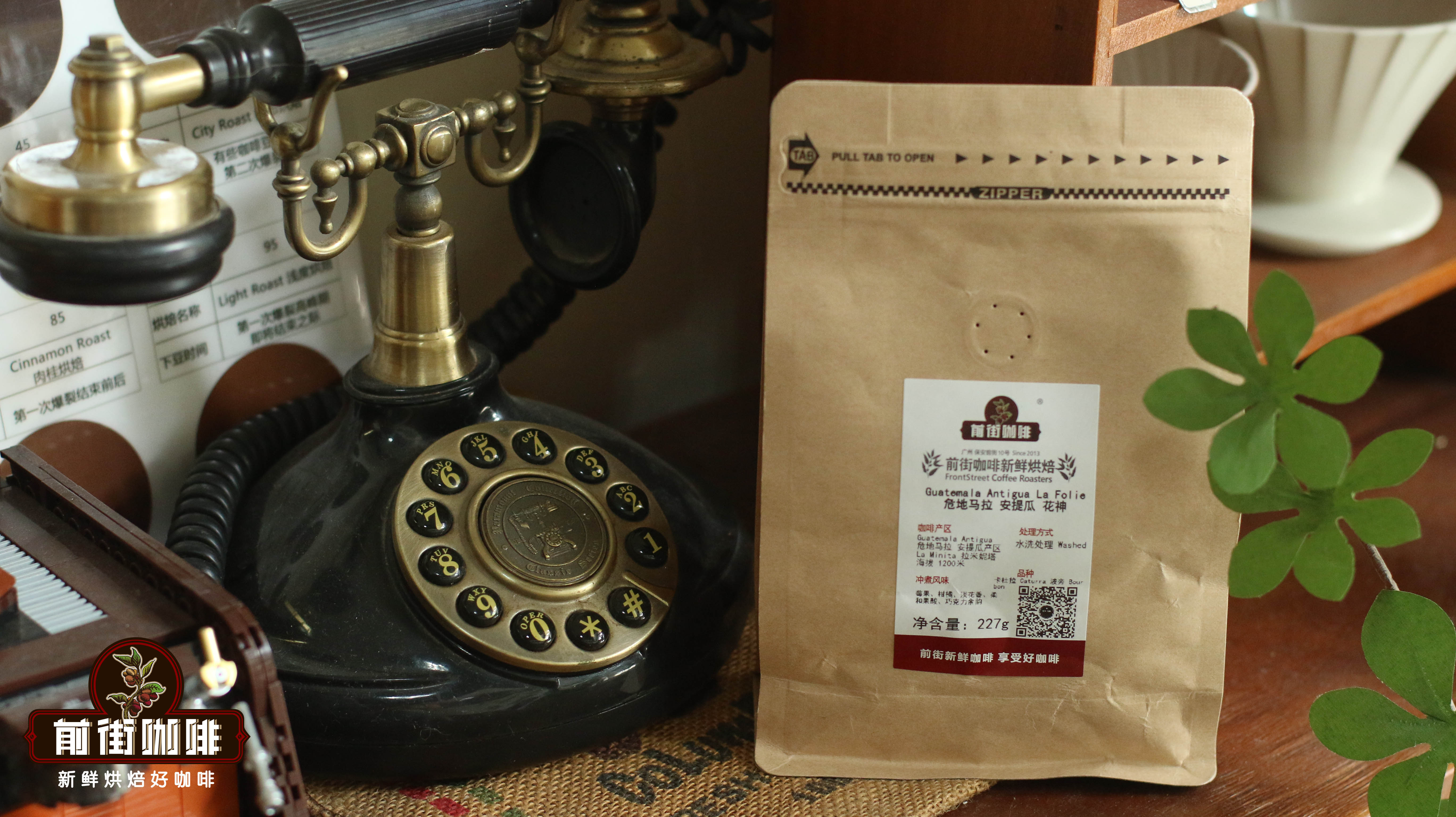
A Complete Guide to Guatemalan Coffee: SHB Grade Characteristics and Flavor Stories from Eight Major Regions
Although Guatemala is not mentioned as frequently as Brazil or Colombia, it has earned its place in the specialty coffee landscape with its rich, smooth body and distinctive charcoal-roasted aroma. This article focuses on the SHB grading characteristics of Guatemalan coffee, reviews the country's geography, climate, and cultivation history, and introduces one by one the eight major producing regions defined by the Guatemalan Coffee Association, including Antigua, Huehuetenango, Cobán Rainforest, Atitlán, and others. At the same time, using the three producing regions of Antigua, Huehuetenango, and New Oriente as representatives, it presents in detail the origin information, estate management methods, and brewing parameters of Front Street Coffee's Flor de Dios and Huehuetenango everyday beans, helping coffee enthusiasts gain a comprehensive understanding of the terroir charm of this Central American producing country. [more…]
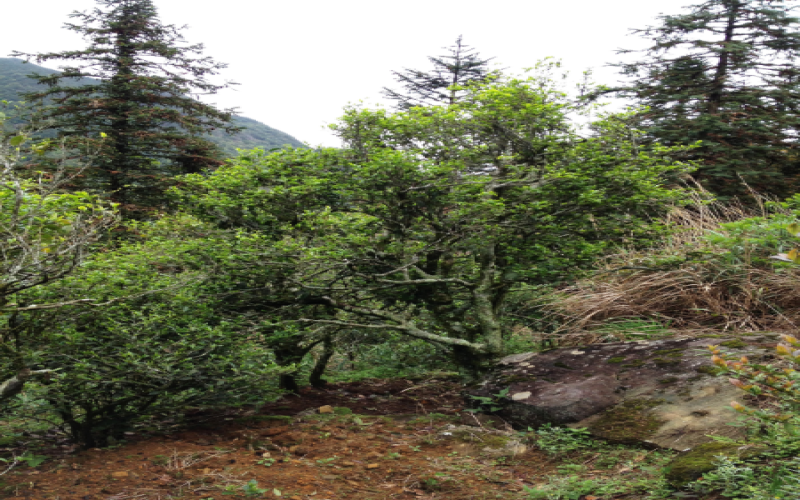
Do Honey Orchid Aroma and Snow Orchid Aroma Dan Cong belong to the same aroma type? Which tea estate brand's Honey Orchid Aroma Dan Cong is the most authentic?
The aroma classification system of Phoenix Dancong has always been a favorite topic among tea enthusiasts, and among these, Honey Orchid Aroma and Snow Orchid Aroma are often compared—are they actually the same aroma type? This article will analyze them from the perspectives of flavor characteristics, production techniques, and brewing methods to help readers clarify the differences and connections between these two classic Dancong varieties. At the same time, addressing the brand selection concerns of tea lovers, the article will also offer reference suggestions on authentic sources of Honey Orchid Aroma Dancong, along with specific parameters for both conventional and Gongfu brewing methods for daily drinking reference. [more…]
Ethiopian Coffee Traditions: Analyzing the Fruity Flavors of Natural Beans and the Clay Pot Brewing Method
Ethiopia is the birthplace of coffee, and locals still carry on an ancient and complete set of methods for making and drinking coffee. From gathering naturally fallen cherries and insisting on sun-drying, to repeatedly boiling the beans in a clay pot with frankincense and spices, the entire process is full of ritual. This traditional method allows the coffee beans to absorb more of the aroma of the fruit pulp, resulting in a finished cup that is rich in fruity notes and thick in mouthfeel. This article will guide you through the sources of Ethiopian coffee's flavor, the brewing process, and the unique hospitality customs, so you can appreciate the hours of cultural accumulation behind a single cup of coffee. [more…]
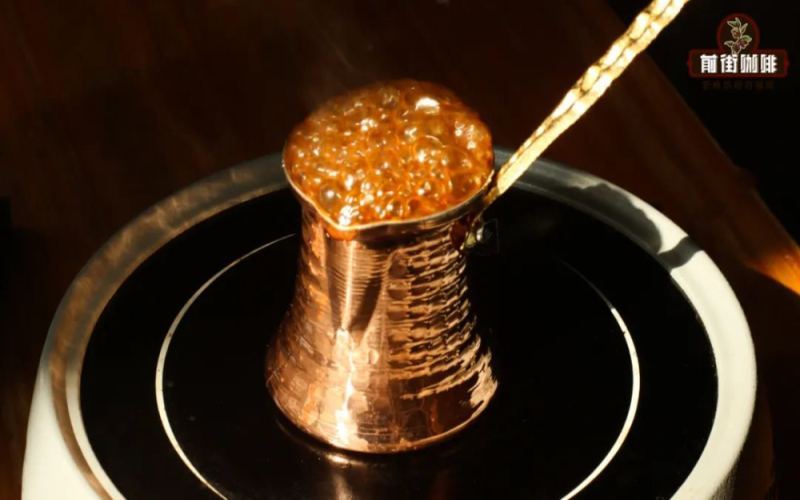
A Complete Guide to Turkish Coffee: Brewing Methods, Fortune-Telling Traditions, and the Three-Boil Technique
Turkish coffee is a unique presence in the coffee world. From its evolution during the Ottoman Empire to the ancient brewing method that is still adhered to today, it carries centuries of history and culture. Similar to Yunnan arabica coffee, the way Arabs back then used a large Dallah pot to brew under-roasted coffee beans is already completely different from today's Turkish coffee. After improvements by the Turks—switching to dark-roasted beans and using a long-handled copper Cezve—this coffee quickly spread throughout the empire and even to Europe. This article will introduce in detail the preparation parameters of Turkish coffee and the "three boils" technique, explain why its coffee grounds are not filtered, and take you through the mysterious tradition of coffee fortune-telling, as well as the interesting custom in Turkish marriage customs of using spiced coffee to test a suitor. [more…]